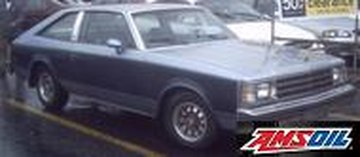
Lubrication Maintenance for the 1981 Buick CENTURY 5.0L
Maintaining a vehicle from the early 1980s requires a shift in perspective toward consistent monitoring and proactive care. For owners of a 1981 Buick Century equipped with the 5.0L engine, routine lubrication service is one of the most effective ways to manage the mechanical health of the powertrain. Because older engines often operate under different thermal and friction profiles than modern counterparts, staying attentive to fluid condition and potential leaks is essential for long-term operation.
Monitoring Fluid Integrity and Potential Leaks
As vehicles age, the various seals and gaskets that contain engine fluids may undergo changes in their ability to maintain a tight seal. For the 1981 Buick Century, regular visual inspections are a practical way to identify issues before they escalate. When performing routine maintenance, it is helpful to look for signs of seepage around the engine block or at connection points.
If you notice dark staining or wetness on the underside of the engine or near the oil pan area, this may indicate that a seal is no longer performing as intended. Similarly, checking the ground beneath where the vehicle is parked can provide clues about fluid loss. It is important to note that finding a small amount of seepage does not always indicate an immediate failure, but it does warrant closer observation and regular monitoring of fluid levels to ensure the engine remains properly lubricated.
Beyond just looking for leaks, observing the color and consistency of the oil can provide useful information. While oil naturally darkens over time due to use, extremely thick or gritty textures might suggest that service intervals have been extended too far or that contamination is present. Keeping a clean engine bay also makes it much easier to spot new leaks as they develop.
Managing Engine Health Through Consistent Service
The primary role of engine oil in any internal combustion engine is to reduce friction between moving parts and to assist in managing the heat generated during operation. For an engine like the 5.0L found in this Buick, maintaining a clean and fresh supply of lubricant helps prevent the buildup of deposits that can interfere with mechanical efficiency.
Over time, oil can become contaminated by various elements, which may lead to the formation of sludge or other residues. This buildup can potentially clog small passages or affect how effectively the lubricant reaches different areas of the engine. By adhering to a consistent service routine, you ensure that these contaminants are removed regularly. Furthermore, fresh oil maintains its ability to provide a protective film on metal surfaces, which is critical for preventing premature wear.
If you are unsure about the current state of your engine's lubrication system, establishing a baseline is a wise step. This involves checking the fluid level and condition under normal operating conditions and documenting these observations. Having a record of how the oil behaves allows you to notice subtle changes—such as an increase in consumption or a change in color—that might otherwise go unnoticed.
Practical Inspection of Related Components
While engine oil is a primary focus, other components in the engine compartment deserve attention during routine service. For example, if equipped, inspecting accessible drive belts for signs of wear such as cracking, fraying, or glazing can prevent unexpected interruptions in vehicle operation. Similarly, checking the condition of various hoses for brittleness or soft spots is a prudent preventive measure.
Electrical connections and wiring also benefit from periodic inspection. Ensuring that connectors are secure and free from corrosion helps maintain the integrity of the engine's management systems. For an older vehicle, even small amounts of moisture or debris in electrical housings can lead to connectivity issues. A thorough visual sweep during every oil change provides a comprehensive view of the engine's overall condition.
Prioritizing Maintenance Based on Vehicle Condition
For owners of a 1981 Buick Century, maintenance priorities should be driven by the actual condition of the vehicle rather than just its age. A well-documented vehicle with a clear service history may require different attention than one where the previous maintenance is unknown. If you are stepping into ownership of this vehicle without a complete service history, your first priority should be to establish that baseline mentioned previously.
When managing an older engine, it is often more effective to address active concerns—such as a visible leak or a change in how the engine sounds—before moving on to purely speculative replacements. Distinguishing between necessary preventive maintenance and unnecessary parts replacement is key to efficient ownership. For instance, if a component is still functioning perfectly and shows no signs of deterioration during inspection, there may be no immediate need for replacement.
Keeping detailed records of every oil change, filter replacement, and any observed leaks or repairs is one of the most valuable tools an owner can possess. These records allow you to track trends, such as whether the engine is consuming more oil than it used to, which can be a vital indicator of changing mechanical needs.
Identifying Potential Warning Signs
It is important to remain observant of how the vehicle behaves during and after operation. While many issues develop slowly, some signs require more immediate attention. For example, if you notice an unusual odor that seems related to hot fluids, it could indicate that oil or another fluid is contacting a hot engine component. This warrants a careful inspection to find the source.
Changes in how the engine sounds can also be telling. While some mechanical noise is expected in older vehicles, any new or significantly different sounds should be investigated. Similarly, if you notice an increase in exhaust smoke or a sudden change in the appearance of the oil on the dipstick, these are symptoms that can have multiple causes and should be evaluated by a professional to determine the exact nature of the issue.
Always remember that a single symptom does not provide a definitive diagnosis. An oil-related warning light or a drop in fluid level is a signal that investigation is required, but the root cause could range from a simple loose cap to a more complex sealing issue. Promptly addressing these signs helps prevent minor concerns from becoming major mechanical repairs.
Buying Engine Oil for your 1981 Buick CENTURY 5.0L
When it is time to replenish your engine's lubricant, the most important step is to ensure the product matches the specific requirements of your engine. For this 1981 Buick Century 5.0L, you should match the engine oil to the application-specific viscosity information already displayed on this webpage.
When shopping for oil, take a moment to review the product labeling carefully. While modern formulations offer various benefits—such as synthetic blends or high-mileage oils that contain additives intended for use in aging engines—you should select the type that best aligns with the information provided in your vehicle's application data. High-mileage formulations, for example, may include seal-conditioning additives that some owners find useful for older engines, but you should always verify that the oil meets the necessary quality standards and certifications for your specific engine.
Avoid making assumptions based solely on the age of the vehicle or general automotive trends. Instead, rely on the technical specifications provided in the application information above to guide your purchase. By choosing a lubricant that adheres to these specific details, you provide the best possible support for your 5.0L engine's continued operation.